
A new study has revealed how microplastics can cause inflammation in the brain, fuelling neurodegenerative diseases such as Alzheimer’s and Parkinson’s.
The study, conducted by scientists at the University of Technology Sydney and Auburn University in the US, shows that humans consume 250g of microplastics every year – roughly the size of a dinner plate.
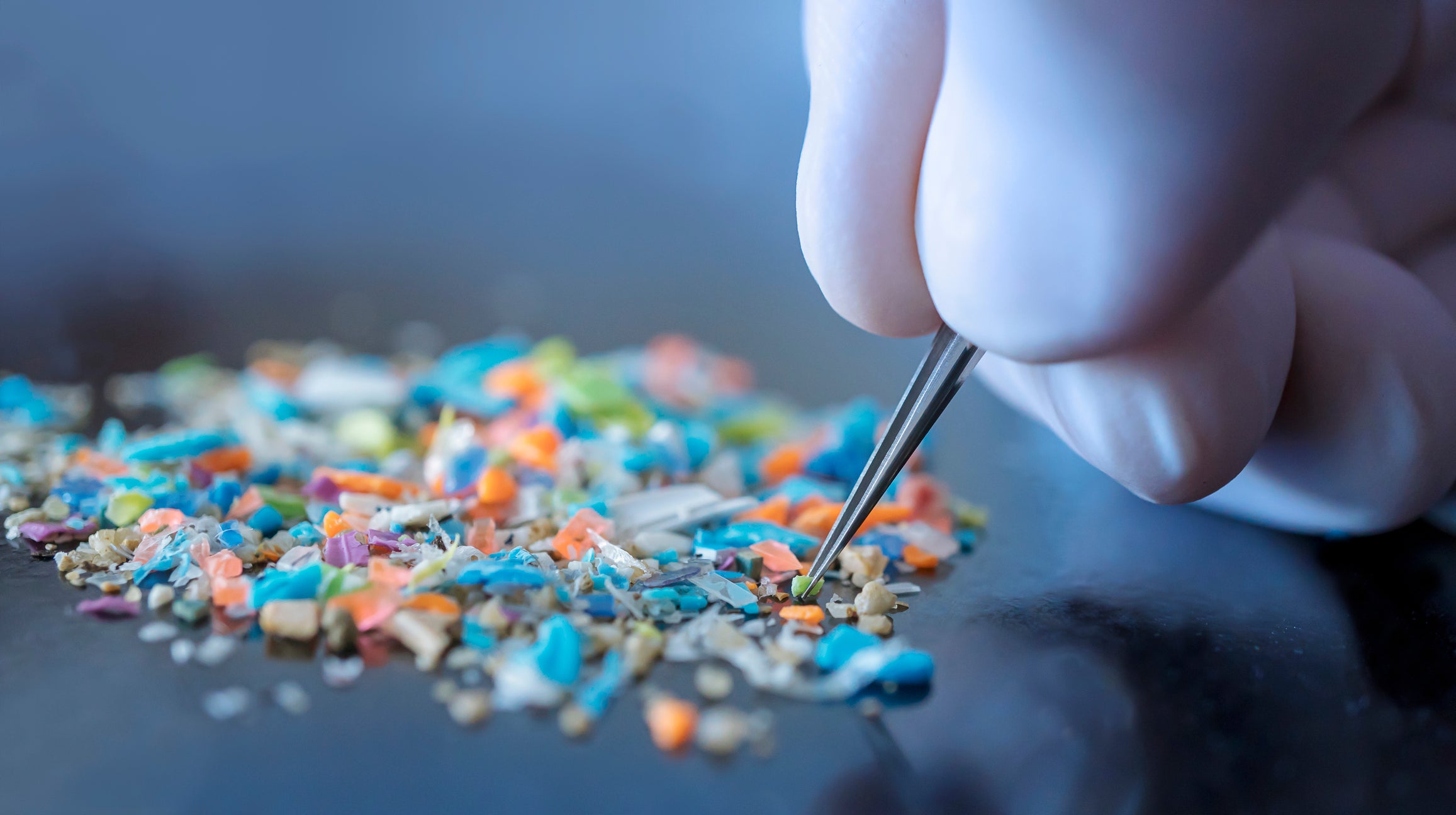
Published in the peer-reviewed journal Molecular and Cellular Biochemistry, it outlined five ways the tiny fragments – found in processed food and drinks, contaminated seafood, teabags, salt, dust, soil, and synthetic fibres – trigger inflammation and cause issues in the brain.

Disrupting the blood-brain barrier
University of Technology Sydney associate professor and study co-author, Kamal Dua, said: “Microplastics actually weaken the blood–brain barrier, making it leaky.
“Once that happens, immune cells and inflammatory molecules are activated, which then causes even more damage to the barrier’s cells.”
Triggering immune cell activity
Once the barrier is disrupted, the body’s immune system is activated.
“The body treats microplastics as foreign intruders, which prompts the brain’s immune cells to attack them,” explained Prof Dua.
Generating oxidative stress
The brain can also experience oxidative stress when affected by toxins or environmental pollutants, leading to cellular and tissue damage.
Microplastics do this by increasing the amount of unstable molecules, or “reactive oxygen species”, which can damage cells and weaken the body’s antioxidant systems that usually keep these particles in check.
Impairing mitochondria
“Microplastics also interfere with the way mitochondria produce energy, reducing the supply of ATP, or adenosine triphosphate, which is the fuel cells need to function,” Prof Dua continued.
Mitochondria, also known as the “powerhouse” of the cell, produce around 90 per cent of the energy that the body needs to function.
Damaging neurons
The disruption in mitochondria can then lead to brain cell damage, impairing neurons.
“This energy shortfall weakens neuron activity and can ultimately damage brain cells,” Prof Dua explained. “All these pathways interact with each other to increase damage in the brain.”
The research also explored the specific ways in which microplastics could contribute to the onset of Alzheimer’s, including triggering increased build-up of beta-amyloid and tau, and Parkinson’s.
While the researchers stressed that further investigation is required to establish a direct link, the evidence suggests it could worsen the diseases, and the study recommended reducing exposure to plastics overall.
“We need to change our habits and use less plastic,” said study co-author Dr Keshav Raj Paudel.
“Steer clear of plastic containers and plastic cutting boards, don’t use the dryer, choose natural fibres instead of synthetic ones and eat less processed and packaged foods.”
Earlier this year, research revealed that microplastics are more likely to be found in the brain than in any other part of the body.
The average amount, 4,800 micrograms per gram of microplastics in brain tissue, was found to be the same as the amount found in a standard plastic spoon, according to the study published in Nature Medicine, a monthly peer-reviewed medical journal.