


Q Can you remember the days when you turned up at the airport an hour before the flight with a ticket sent to you through the post? When there were at least two staff behind each desk to check in your luggage and issue boarding passes? And when the flight landed in the city advertised?
‘Cynics R Us’
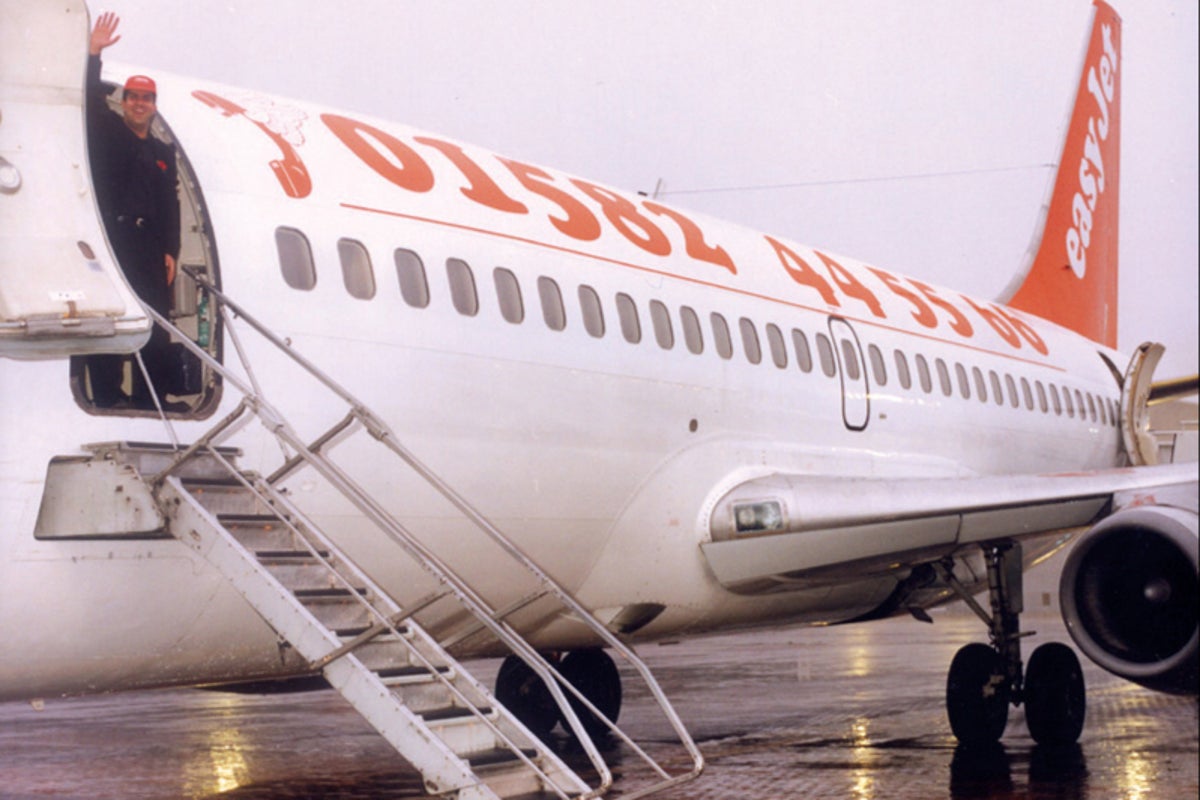
A Yes, I remember those days. And with the exception of more relaxed check-in deadlines and the airport security experience, they were dreadful. Fares were ridiculously high. One reason was the high cost of “distribution” – ie, getting tickets to passengers. When easyJet was founded by Stelios, the entrepreneur realised that paper tickets procured at a travel agency and sent through the post wasted time and money. Initially, Britain’s biggest budget airline sold only by phone, then soon moved everything online.
Today, you can book a flight within a couple of minutes on your smartphone, and often check in straightaway (though I argue strenuously that the check-in process is an unnecessary hurdle). The cost of making each transaction has fallen from many pounds to a few pence, feeding through to lower fares. In the winter that easyJet celebrates its 30th birthday, one notable aspect of aviation’s transformation is this: when £29 for a one-way trip was introduced between Luton and Scotland’s two main cities, it was revolutionary. Today, you can easily find fares of under £29 from Luton to Edinburgh and Glasgow.
Who needs humans? Self-service bag drop is a boon. Arriving one morning at Stansted airport with just 48 minutes before my Ryanair flight to France departed (after a Network Rail failure), and with a folding bike to check in, the process was so smooth I even had time for a coffee (made and served by a human) on the way to the gate.
On your point about flights landing “at the city advertised”: the blossoming range of secondary airports across Europe adds choice. While Hahn in western Germany is of little use if your destination is Frankfurt, the former US Air Force base is an excellent gateway for a stretch of the Moselle. Likewise, Vasteras in Sweden is not exactly Stockholm – but a charming riverside town filled with handsome architecture and enticing cafes.
Most of all, I celebrate the astonishing safety standards that aviation has achieved. This is the golden age of flying.

Q On the subject of airport drop-off fees for cars, I think the idea that they are nudging people onto public transport to be kinder to the environment is ludicrous. You are about to hop on a jet plane that burns many tons of fuel. What next? Do you think this idea could even spread to dropping people off at a railway station?
Neil R
A Yes, railway stations are next. I believe it is only a matter of time before drop-off charges are introduced – and not just at the new High Speed Two stations. Traffic congestion due to people being dropped off at big stations is an increasing concern (except, arguably, at Leeds since building work currently makes it nigh-impossible to get near the station in a vehicle).
In London, all the rail termini are on the Tube network and have loads of buses. Birmingham New Street, Manchester Piccadilly, Edinburgh Waverley and Newcastle are also well served. Most intercity passengers could use public transport.
The first step, I predict, will be quietly adding a surcharge of a few pounds to Uber pick-ups and drop-offs at main rail stations. The technology for this is quite straightforward (it already happens with Uber at some railway stations in India). There should be an option for dropping off/picking up somewhere nearby without a charge (and without simply shifting the congestion). Such a move might prove sufficient to diminish demand for driving to stations. I think getting into airport-style barriers or a “pay online before midnight tomorrow” palaver would be a step too far.
Back to airports. Are they falsely claiming green credentials for bringing in or increasing drop-off charges for cars? I don’t believe any airport hopes we will happily pay up, believing we are saving the planet. But local traffic congestion, noise and pollution on roads serving airports are significant. The argument for drop-off charges would be more convincing, though, if the revenue were ring-fenced for improving public transport to the airport.

Q I have been lucky enough to visit Iran, and so I need a full US visa rather than the usual Esta to go to America. I use the visa more often than not for transit flights. It expires in March 2027.
Annoyingly, my UK passport is now filled with an excessive number of stamps, as it seems you get two every time you sneeze in the European Union. I will probably need to get a new passport early next year to ensure I have enough blank pages for visas for countries like India, which need two blank pages.
Any advice on how I can keep using the US visa into 2027? Getting a new one takes four or five months.
Gary R
A Frequent visitors to the Schengen area (comprising most of the EU plus Iceland, Norway and Switzerland) see pages in their passports consumed at a frightening rate by entry and exit stamps. Each visit uses half a page of a passport. This will continue until April 2026, when the digital EU entry-exit system replaces stamping.
As you indicate, the problem can affect travel to other countries. The obvious answer for anyone in your position is to obtain a second British passport. These are issued routinely to anyone who has a reasonable excuse. I surmise that you are required to travel regularly on business; your employer could presumably supply a letter explaining that you must make frequent trips while juggling visas.
You can apply online in the usual way for a replacement, but must then “go analogue” and talk to UK Passport Office staff about why you won’t be sending in your existing passport. Demand for passports right now is low, making it an excellent time to apply. If you obtain a second passport promptly, you can start using it for those EU trips – keeping the existing one with your US visa. When renewal of the visa is due, you will not need to worry about being without a passport while it is being processed.
Finally, you say you mostly use the visa for transit flights. To destinations in Latin America, you may know that Air Canada is making a big push in offering onward connections for British travellers via Montreal and Toronto, with some appealing fares. A Canadian eTA is required, but they don’t mind if you have been to Iran – and charge only C$7 (£4).
Q Where would you go for sunshine in March or April, with a maximum flying time of five hours from the UK?
Alan B
A The optimum combination of sunshine and culture is to be found in north Africa and the southern Mediterranean. To be as sure of sun as it possible to be, Egypt is the answer – specifically Luxor, which is just within five hours flying from the UK (though the time spent taxiing takes about 20 minutes extra, which adds to a tiring journey). EasyJet has two flights a week from Luton. Luxor offers access to the world’s highest concentration of antiquity, and is also a relatively small, calm and friendly city.
Malta is significantly nearer and much easier to reach from across the UK, as well as possessing deep cultural roots; tie in a visit to the sister island of Gozo if you can.
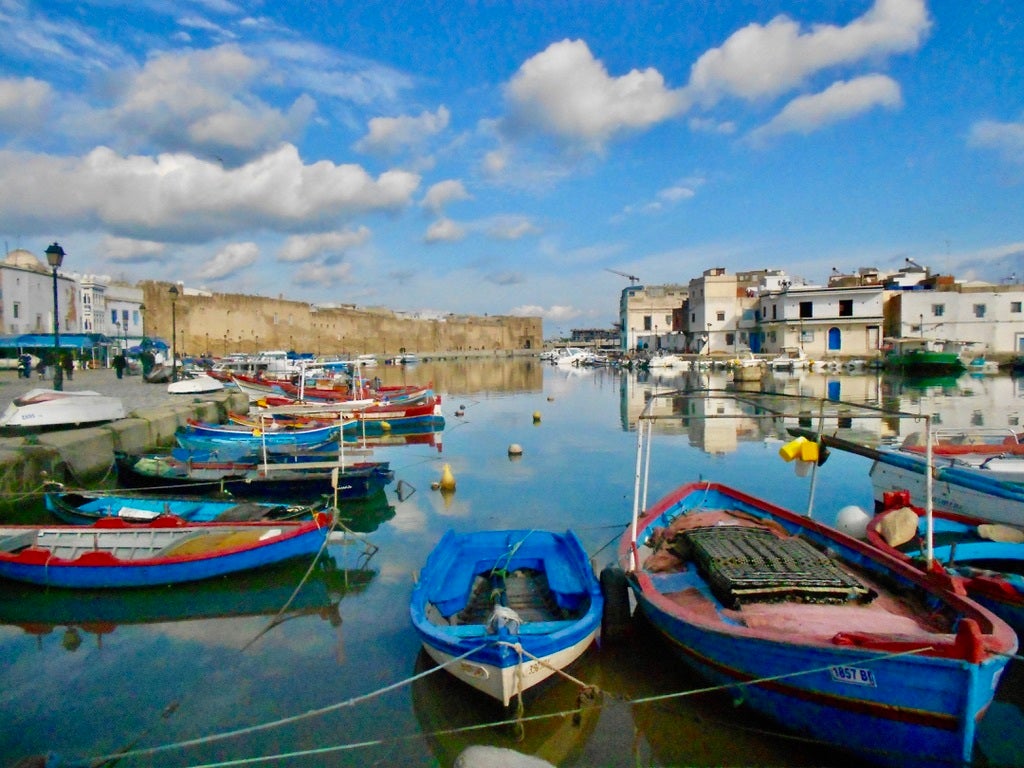
Another strong contender: Tunisia. Even in March, you can expect bright, sunny days (though the Mediterranean will still be rather chilly). With plenty of daylight but none of the intense heat of summer, March and April are excellent months in which to explore this fascinating North African nation. Start in Tunis, the capital: a combination of Arabic intensity and French style. Nearby Carthage is the prime archaeological site and well worth a day – though the city-state that once dominated the western Mediterranean does get bizarrely tangled with suburbia. Also close: Sidi Bou Said, a cliff-top village that distils most succinctly the character of Tunisia – with blue-and-white painted cottages clustered around cobbled lanes. Most travellers, though, aim for the string of resorts south along the east-facing shore from Hammamet.
Neighbouring Algeria is equally sun-sure, but not yet well set up for tourism. Morocco’s resorts, the Portuguese isle of Madeira and Spain’s Canary Islands are worth considering. But they are susceptible to Atlantic weather: the ocean is often mightier than the sky.
Email your question to [email protected] or tweet @SimonCalder
