


So, the Lexus LM350h. Very much a niche vehicle, a cross between a people carrier, a limousine and, indeed, a first-class compartment on a plane. I’m not sure what to make of it, if I’m honest. You can see it’s designed for the chauffeur-driven market, to ferry around the top echelons in society – chief executives, visiting dignitaries, crypto tycoons, football club owners, that sort of thing – in supreme comfort.
It comes as a seven-seater, which is a bit “mini bus” for elite transportation, or, as in the example Lexus kindly allowed me to try, as a four-seater – two up front as normal, plus two individual, fully reclining seats in the rear, modelled on the kind of thing you’d find yourself flying around in if you had the money. From my experience as a pretend professional driver lugging some mates about, even the tallest and broadest of plutocrats will find sufficient room to relax. (Although there is not that much room left in the boot for their clobber; presumably, that gets sent on separately.)
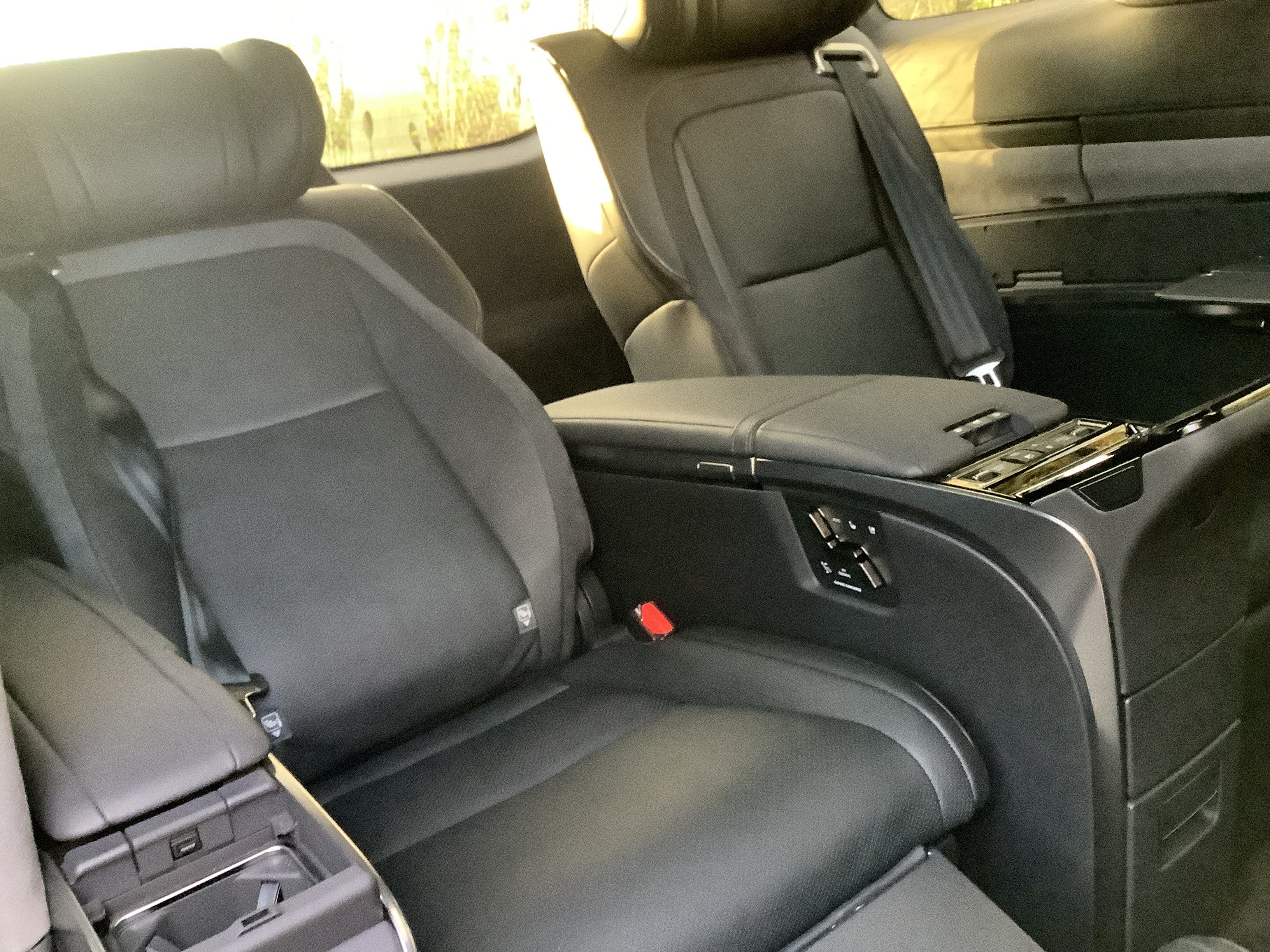
It’s enormous fun, though it’s supposed to be deeply serious transportation for the Forbes magazine classes. Snug in the back armchairs, you’re swathed in leather, you can kick back almost flat for a kip, and there’s a wee fridge just ahead with room for a bottle of Laurent Perrier and a couple of glasses. There are nice little cantilever tables that fold out from the armrests, plus smartphone-style controls for the huge telly screen in the back, the air conditioning and full digital connectivity.
The four-seater style is called “Ottoman”, and there are indeed footrests for the weary executive, plus dimming lights and gaming options. Best of all, for those who prefer absolute privacy, the separate rear passenger compartment can be fully sealed off from the driver with an electric window divider, just as in a traditional Daimler, Vanden Plas or Rolls-Royce limousine, so there’s no eavesdropping by the servants. The atmosphere is serene.
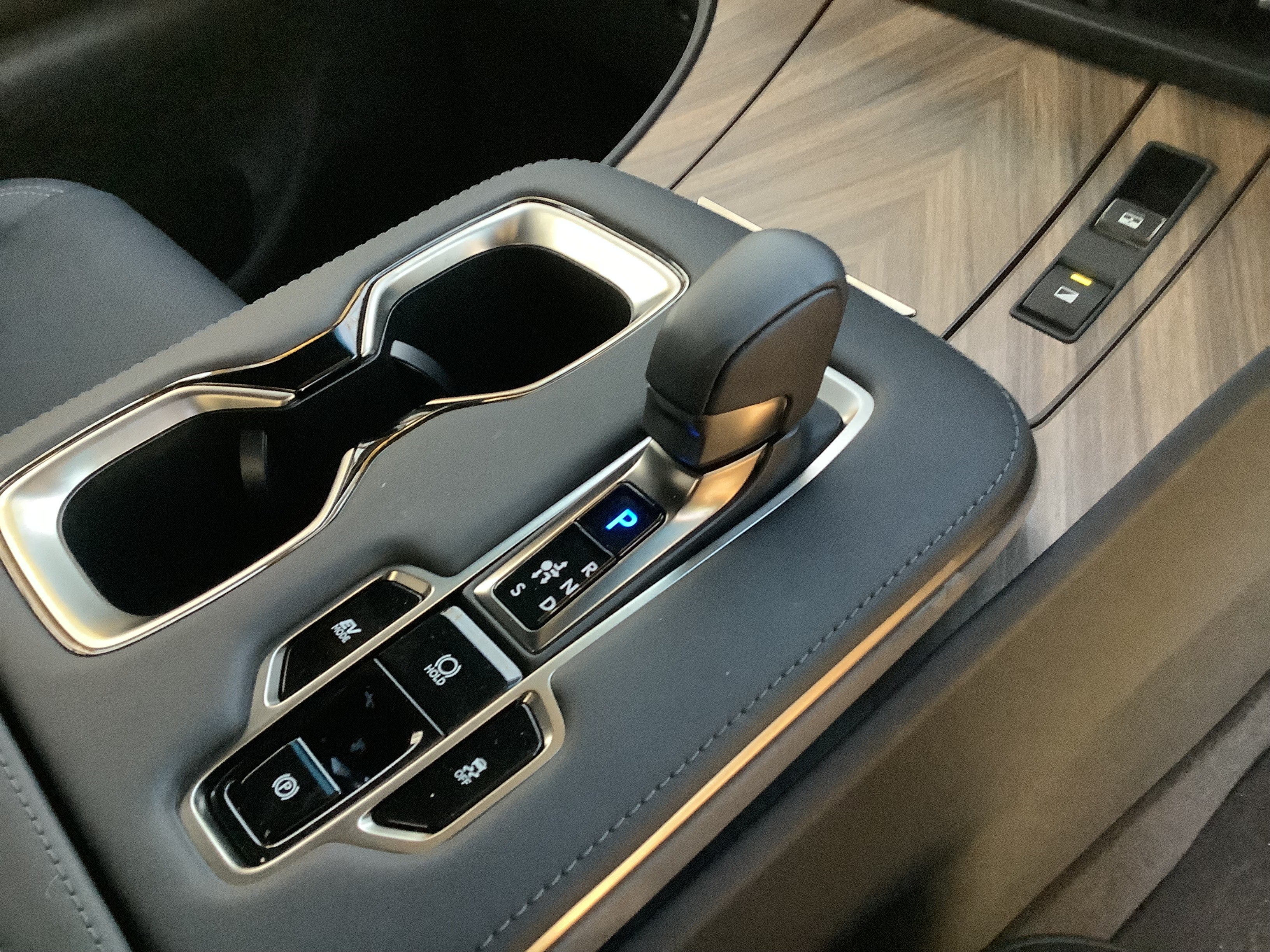
To drive the LM350h is a bit of a dream. Equipped with a pretty powerful Toyota engine (Lexus being the luxury arm of the business, in case you hadn’t gathered, and this model is well suited to the “premium” badging), it can make rapid progress if needs be, but it’s fair to say it encourages a sedate style, with the “active variable” suspension tuned to maximum comfort for the VIPs in the back.
It’s a conventional hybrid, which means it’s never going to be quite as refined as it would be as either a pure petrol or pure battery electric car, and it should really have six cylinders, but it can tootle around business districts in near-silent electric-only mode. Only when pressed hard will the transmission intrude with a bit of a low moan. Braking and body control are both highly progressive.
For some reason, there’s a four-wheel-drive option (with no extra ground clearance) that propels the Lexus into £120,000 list price territory, and, even in a world of conspicuous consumption, that feels a bit excessive.
I’m still not sure what to make of it, though. I think it reflects changing tastes in the business luxury end of the carriage trade, especially in Asian markets. For many decades now, the Mercedes-Benz S-class has sewn up this sector, with BMW, Audi running a little behind, while the Range Rover offers something slightly different, and the Bentley and Rolls-Royce models (even pricier) were in a class above even those famous marques. All are obviously spectacular places to be, and can be specced to your heart’s content with the finest of craftsmanship in wood and leatherwork.

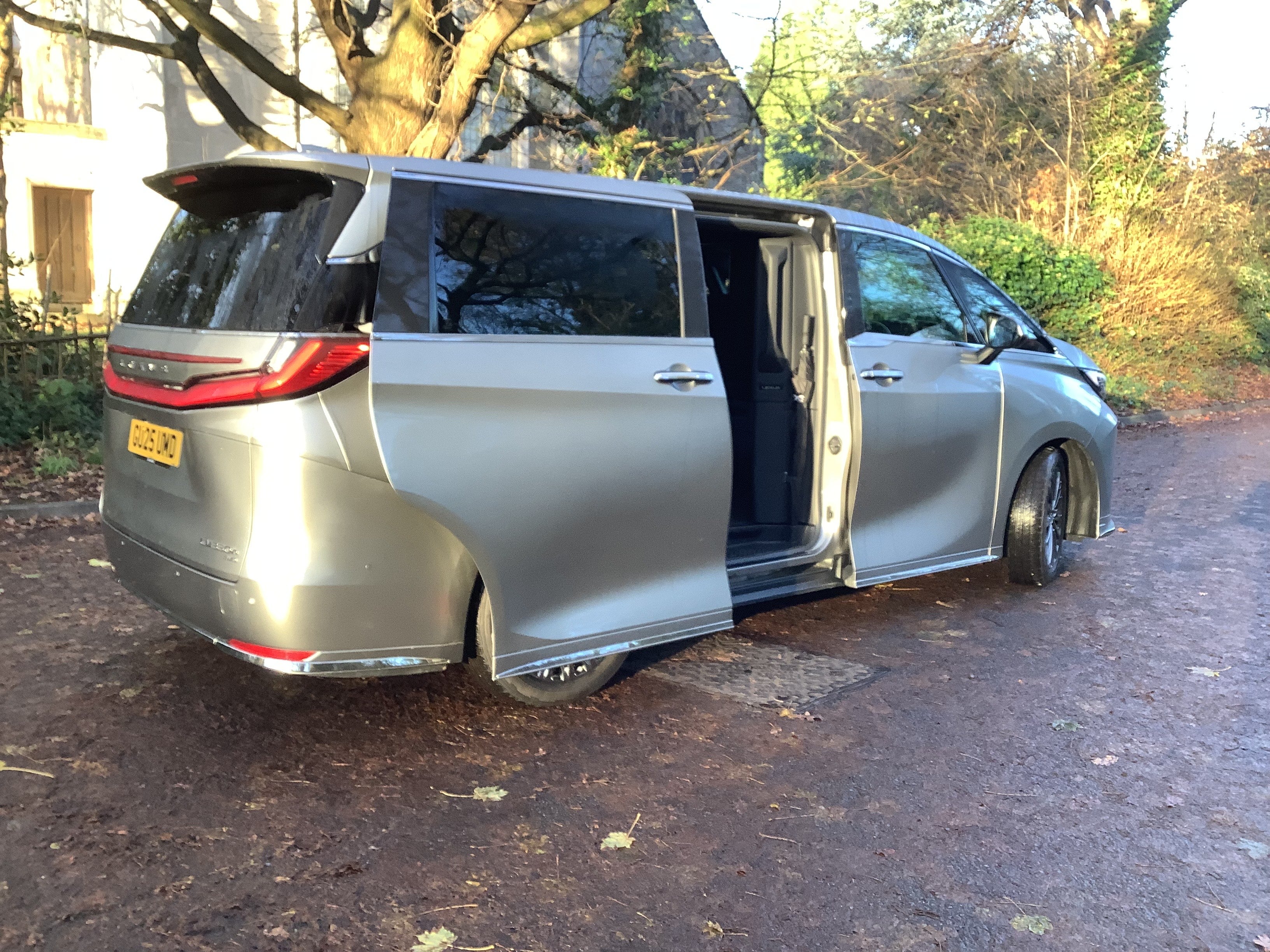
This Lexus offers a different package – much more of the lounge-on-wheels, with the added advantage over the old-style limousines and the SUVs of ease of ingress and egress – no clambering out or having to hop up or step down, the electric sliding doors adding to the convenience. Thus, you almost walk in and out of the LM350h. Such things matter to some.
The single practical flaw with the Lexus – and it is a significant one – is that front doors are so deep that they will easily foul any kerb more than about an inch high. I’m not sure why the car has to be quite so slab-sided, but there we are. One day, the lower edges of those doors will look shabbily rusty.
In the UK, this Lexus has few direct competitors. There’s something called a Maxus Mifa 9, built by Shanghai Automotive, that is competitive and, from memory, equally comfy but rather cheaper; while Mercedes-Benz offers its Premium V-class, which takes a van conversion as close to an S-class Maybach as is possible and is better suited to larger groups. It’s still a van, though.
So, if I were in the airport chauffeur business, I’d definitely consider the Lexus for my high-end clientele. I’d just have to get used to that visually challenging frontal styling (again, I think attuned to emerging market fashions). The beauty of this posh motor is very much on the inside.