


From war to weather, there are plenty of factors that could scupper a cruise holiday.
In recent weeks, passengers have been hit with cruise cancellations by Celestyal and MSC Cruises due to the Iran war, while others have faced changes due to shipyard refurbishment delays.
In some cases, a cruise line may even swap the ship or route of a vessel to manage their deployment.
Royal Caribbean and Carnival angered customers with itinerary and ship changes last month.
While most cruises run on time, cancellations and delays can happen.
Cruise content creators Tom and Dom Travel, who are regularly at sea, have experienced this first hand.
Tom told The Independent: “Most recently, our sailing with MV Balmoral was delayed due to an outbreak of gastroenteritis on board. We’ve also experienced delays with Virgin Voyages due to bad weather.”
Cruise lines are often protected by their terms and conditions, which give them the right to alter sailings for “operational reasons.”
Passengers are typically offered a refund, cruise credit or may be transferred to a new ship or sailing.
But it can still be inconvenient if you were looking forward to sailing on a particular ship or to a certain destination.
Vukan Simic, chief executive of global directory BoatBooker, said: “When a cruise line decides to cancel a sailing, it is never a decision taken lightly due to the massive logistical and financial implications. However, passenger and crew safety is always the ultimate deciding factor.”
Here are some factors that could cause your sailing to be cancelled.
1. Weather
.jpg)
Storms can play a big part in where cruise ships can dock.
LInes such as MSC Cruises, Royal Caribbean and Disney had to reroute ships in the Caribbean last year due to Hurricane Melissa, which meant passengers missed ports around the east of the islands.
Simic said: “While ships can often outrun or steer around storms, a direct hit to an embarkation port or a massive regional storm system that makes safe navigation impossible will force a cancellation.”
He said passengers booking Caribbean cruises between August and October, or Asian itineraries during typhoon season, should be aware of the heightened risk of weather-related cancellations or drastic itinerary changes.
Read more: How safe is a cruise ship n a storm?
2. War
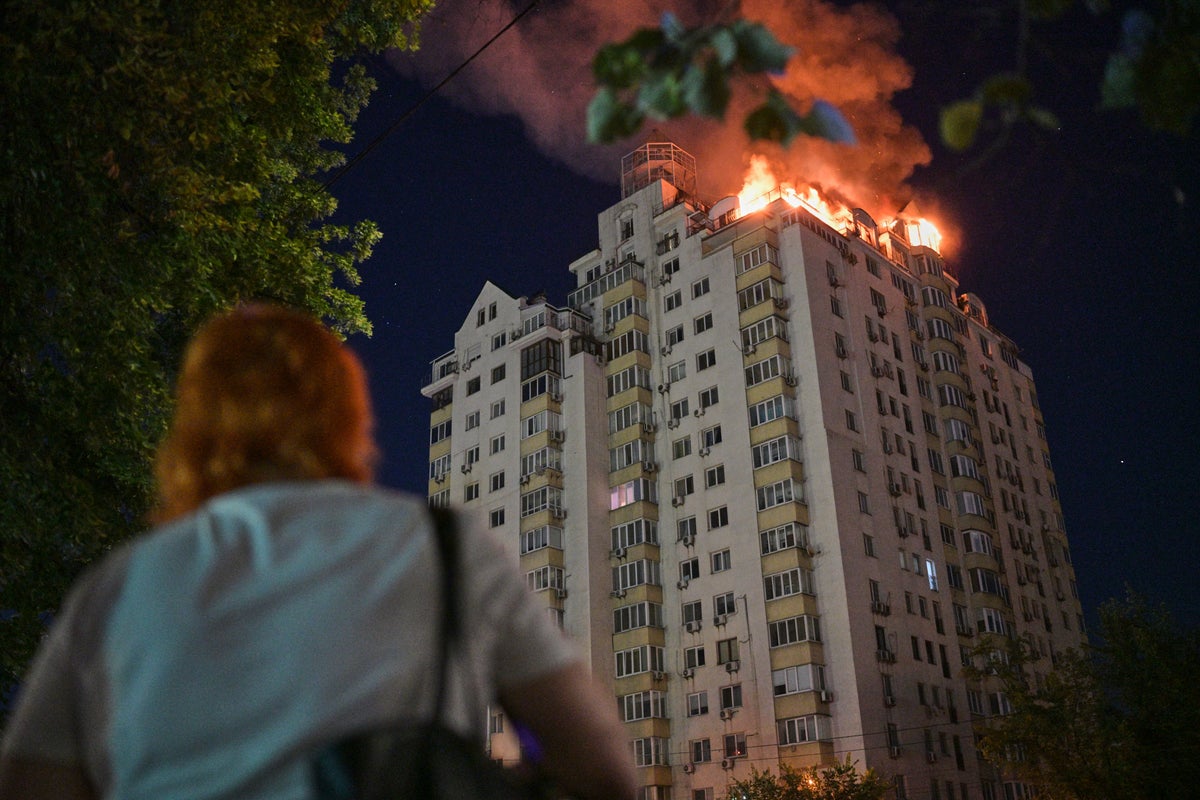
If airspace is closed in a region or the Foreign Office advises against travel due to the outbreak of war, a cruise line may cancel sailings.
The current conflict in the Middle East shows the risk of booking a cruise in a volatile region.
Cruise lines such as Celestyal and MSC Cruises had to end their Arabian Gulf seasons early due to the closure of the airspace in the United Arab Emirates and safety fears in the region.
Celestyal currently has two cruise ships unable to leave the Gulf, due to the closure of the Strait of Hormuz. It has had to cancel its Greek island sailings, which were due to begin in April.
Meanwhile, MSC Cruises is also planning ahead, cancelling its 2026/27 Middle East cruise season which was supposed to be aboard MSC World Europa.
The vessel will instead replace MSC Seaview in the Caribbean. MSC Seaview will operate in Brazil instead.
Read more: Your rights as Middle East cruises disrupted by war
3. Maiden voyage and dry dock delays
It can be exciting to be the first person to sail on a cruise ship, but that comes with risks.
The cruise ship may not be finished on time or there may be teething issues while on board, which could cause delays or cancellations.
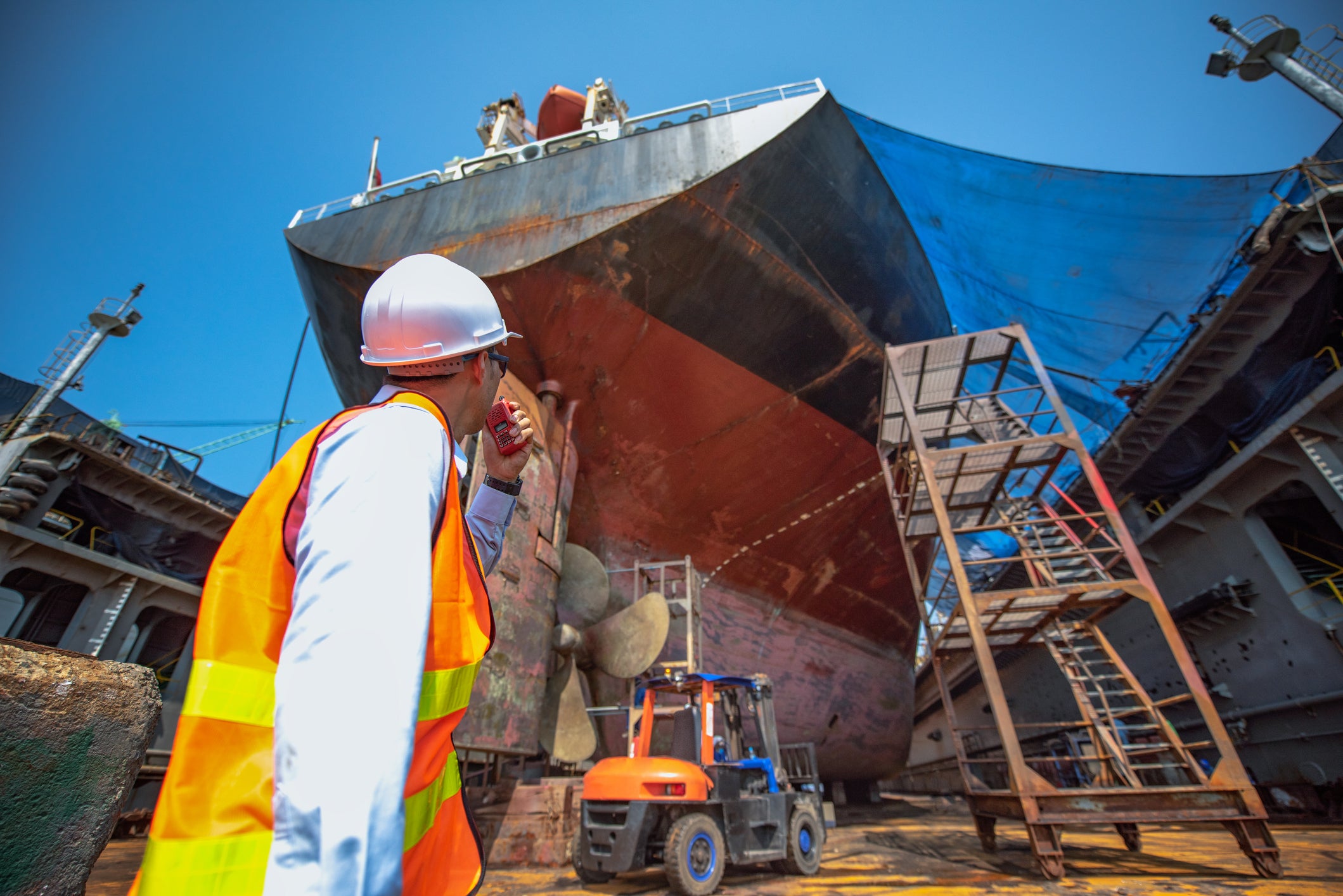
Similarly, a cruise ship may go into dry dock for repairs or renovations but supply or staffing issues can delay when it is ready to sail again.
In some cases this can frustrate passengers if it is last minute and is too late to make alternative plans – even if a refund or cruise credit is offered.
It can, however, also benefit passengers. Tom and Dom ended up on the maiden voyage of P&O Cruises’ Arvia on 23 December 2022 after issues with its interior fittings meant its launch was delayed for a couple of weeks. The sailing coincided with a booking they had made that was supposed to be on a later voyage.
4. Repairs
Some refurbishments may not be scheduled at all and a ship may need to be pulled out of the water for repairs.
Simic added: “If an issue affects the ship’s propulsion, navigation, power generation, or critical safety systems like lifeboats or fire suppression, maritime law dictates the ship cannot sail.”
5. Fleet management
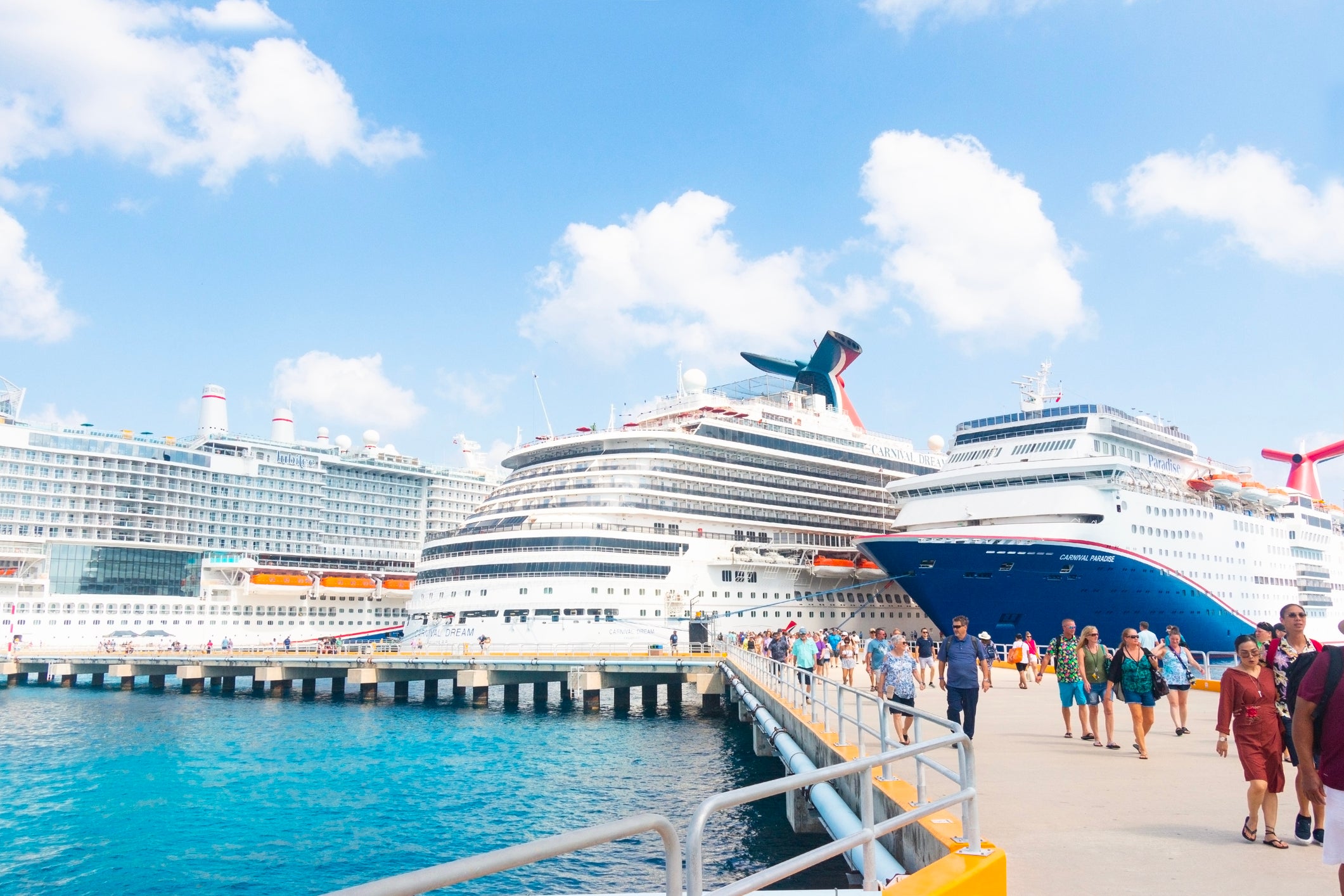
Cruises may be like floating hotels but they work differently, especially with big brands that have multiple ships to manage.
Schedules are part of an ongoing itinerary planning process, with cruise ships deployed and reviewed based on demand, capacity requirements and broader fleet considerations.
Mark Barton, cruise expert with Avanti Travel Insurance, said: “This means changes can sometimes occur even outside of immediate safety concerns.”
How to protect yourself
Cruise lines will often refund guests and offer future cruise credit for cancellations, especially of they are Abta-registered.
Julia Lo Bue-Said, chief executive of the Advantage Travel Partnership, said: “In most scenarios, when a sailing is cancelled outright, whether due to a ship fault, delayed dry dock renovation or operational issue, passengers are typically offered a full refund or the option to rebook onto alternative dates. Cruise lines will usually sweeten the rebook offer with an incentive too, such as a fare reduction, cabin upgrade, or on board credit, in a bid to retain the booking.”
For minor itinerary tweaks, Lo Bue-Said added that passengers are generally not entitled to compensation or a refund and this is standard within booking terms and conditions.
She said: “If it is a significant change such as cancelling a key destination entirely, replacing multiple ports, or the length of a sailing, customers are usually entitled to accept the change, sometimes with on board credit or goodwill gesture, cancel for a full refund or transfer to an alternative sailing often at no extra cost.
It is also worth making sure your travel insurance covers cruises as you may be able to recuperate non-refundable costs such as port excursions that weren’t booked with the ship.
Barton added: “Cruise travel insurance also provides cover for things like missed departures, unused excursions, as well as medical emergencies and repatriations if you fall unwell aboard.
“Travellers should keep all receipts, emails, and documentation as proof. The more organised you are with the paperwork, the easier it will be to submit a successful claim. Ultimately, cancellations are rare, but being prepared means you can feel confident in rebooking your dream holiday.”
Read more: How to save hundreds of pounds on a cruise