
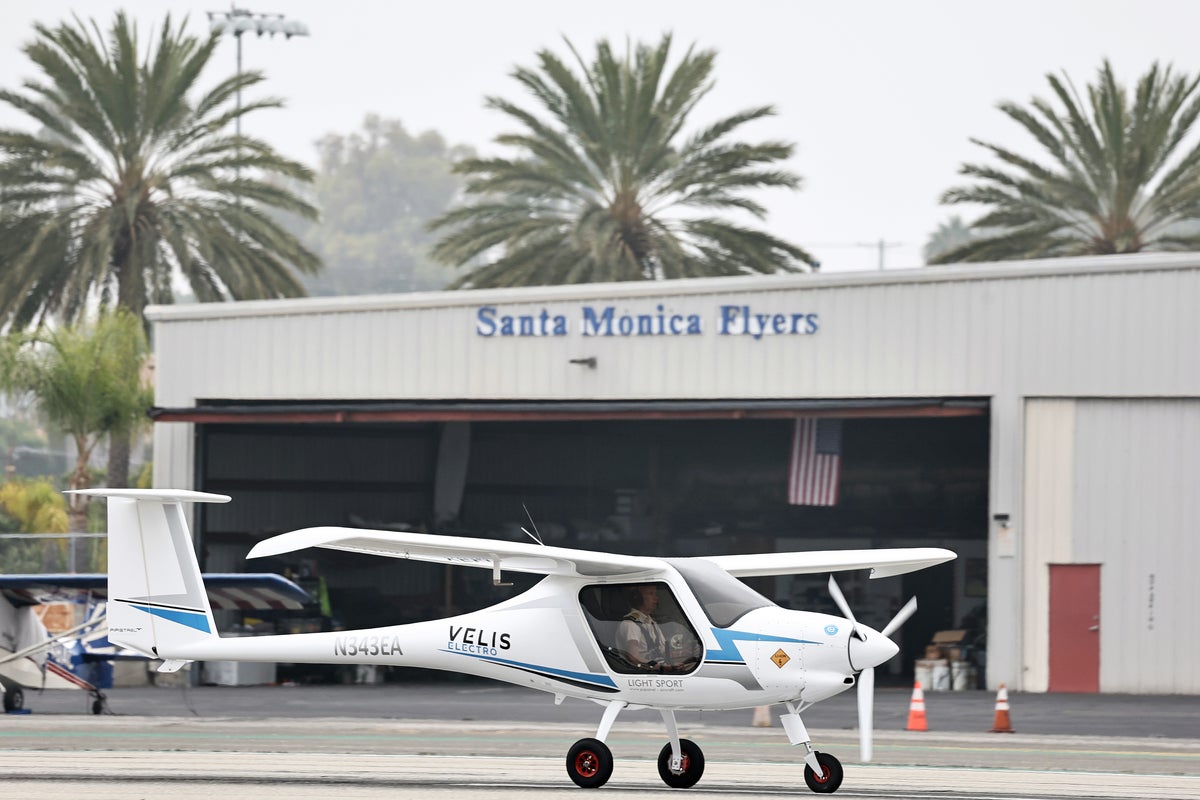
The 107-year-old Santa Monica Airport in California will close in about two years after roughly 50 years of complaints from locals.
At the end of 2028, the small airport will shutter to make way for a massive park space.
The 227-acre airport has no commercial flights and is mainly used by small, private planes, according to SFGate.
The Independent has reached out to the Santa Monica Airport and the city’s mayor for comment.
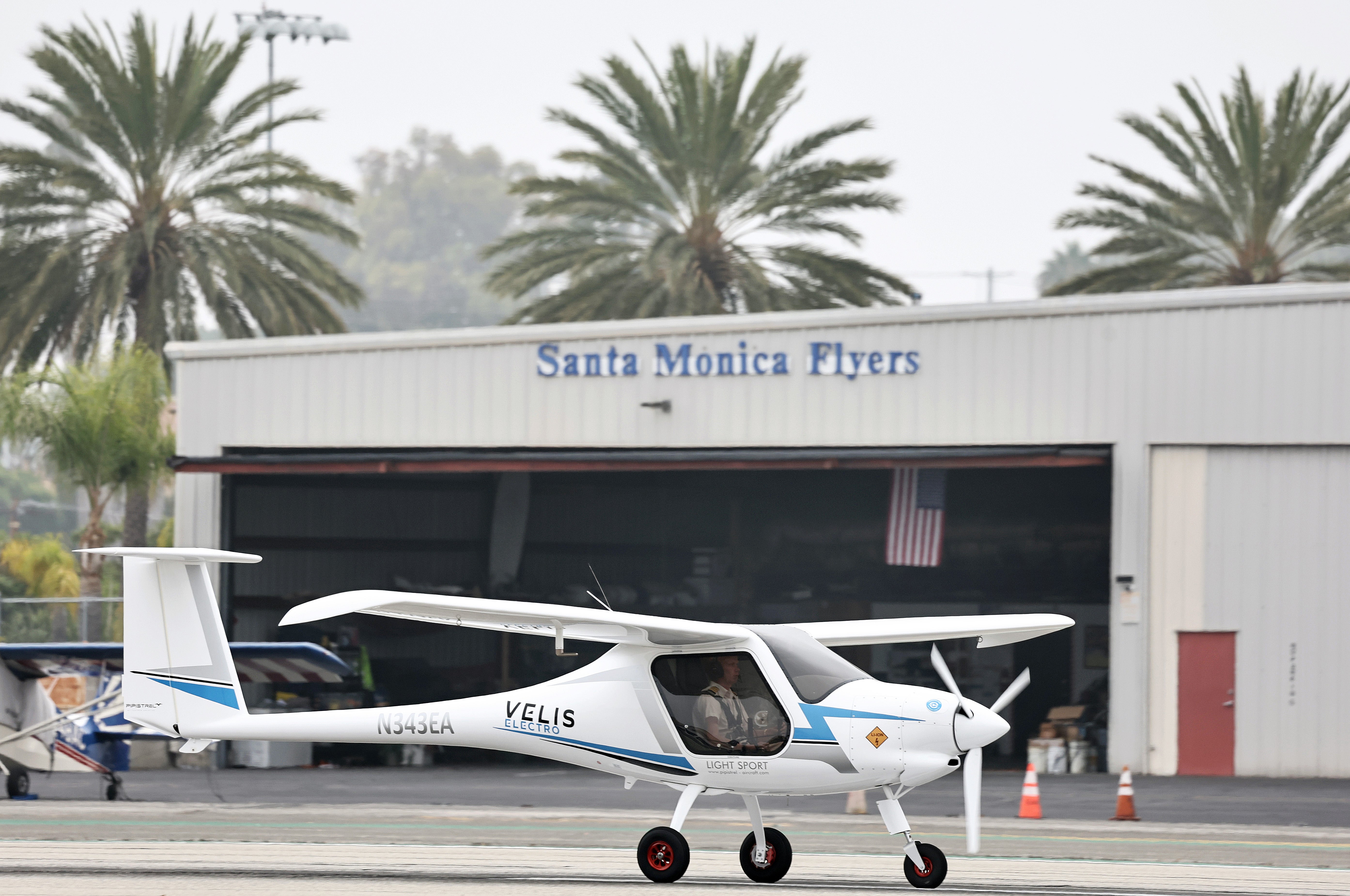
The Santa Monica Airport is located five miles north of the bustling Los Angeles International Airport. It has been in use since at least 1919, according to the Santa Monica Airport community website run by locals.
The Douglas Aircraft Company was established in Santa Monica around the same time as the airport and went on to manufacture transport planes and bombers during World War II, according to The Museum of Flight. At its peak, the company employed up to 44,000 employees, creating a demand for housing, according to documents from the city obtained by SFGate.
In 1924, Santa Monica’s population was 15,000, and in 2023, it was 94,000.
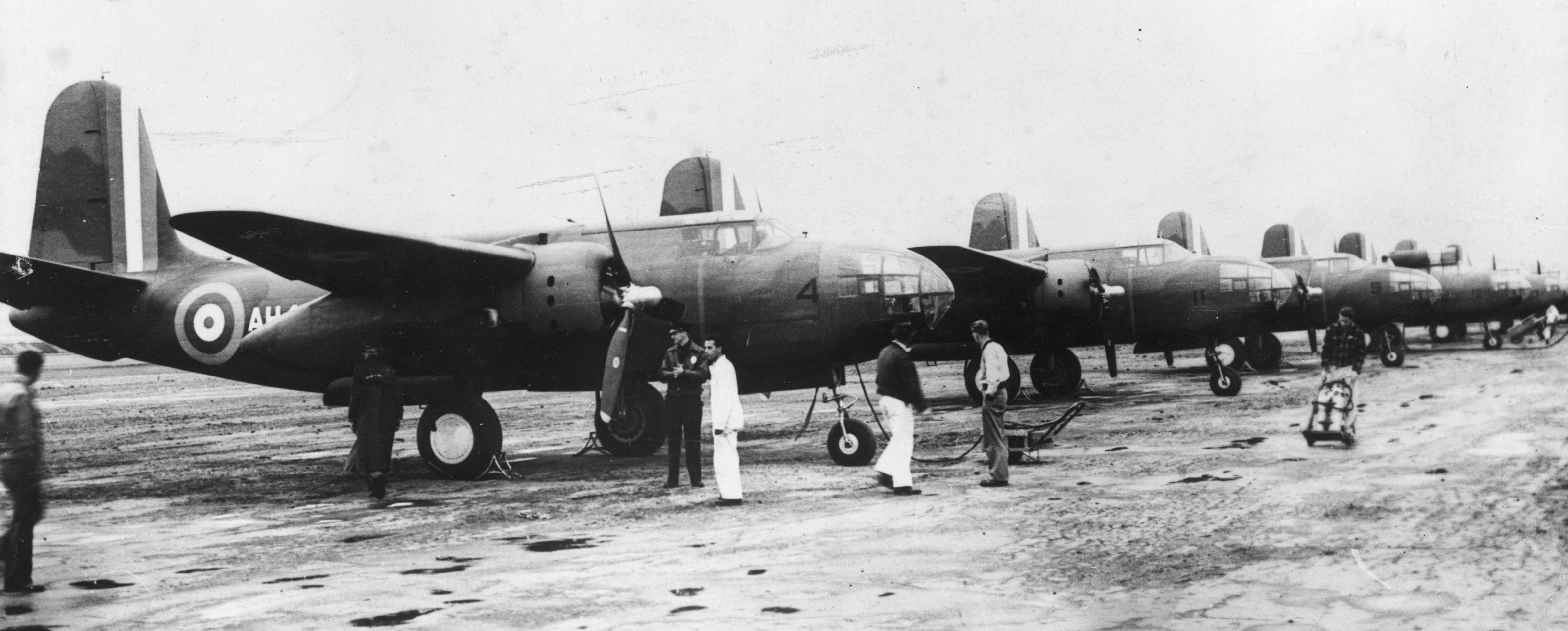
Starting in the 1970s, regulations restricting airport operations were put in place to “protect neighbors’ quality of life,” the city said. In the 1990’s, Los Angeles residents sued Santa Monica over “adverse health impacts and nuisance,” the city said.
In 2014, Santa Monica residents voted 60 percent in favor of a ballot measure to prohibit new development on airport land, except for parks and open spaces, “until the voters approve limits on the uses and development that may occur on the land.”
The Federal Aviation Administration and Santa Monica reached a settlement in 2017, allowing the city to close the airport after December 31, 2028.
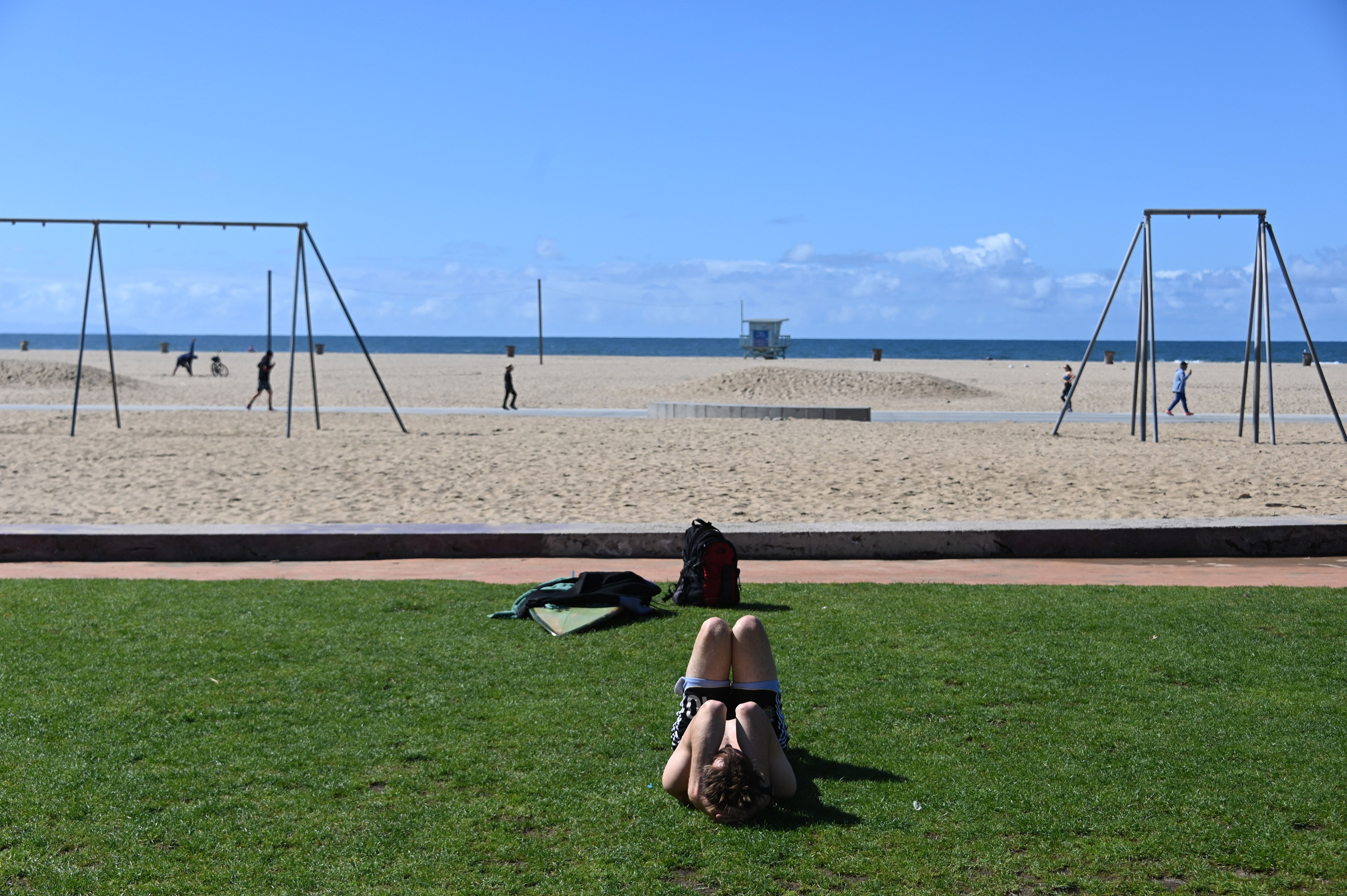
For nearly two years, the city has reached out to locals for their opinions on the Santa Monica Airport Conversion Project, and last week, it released its draft Framework Diagram.
The diagram laid out eight distinct districts for the land with different themes. There is an “Immersive Nature” district, which prioritizes “native species and biodiversity enhancement,” according to city documents.
There’s also a district dedicated to active sports, arts and culture, and one called “The Heart” that includes a “social and spatial center.”
The city invited locals to give their thoughts on the Framework Diagram by April 26 through an online survey.